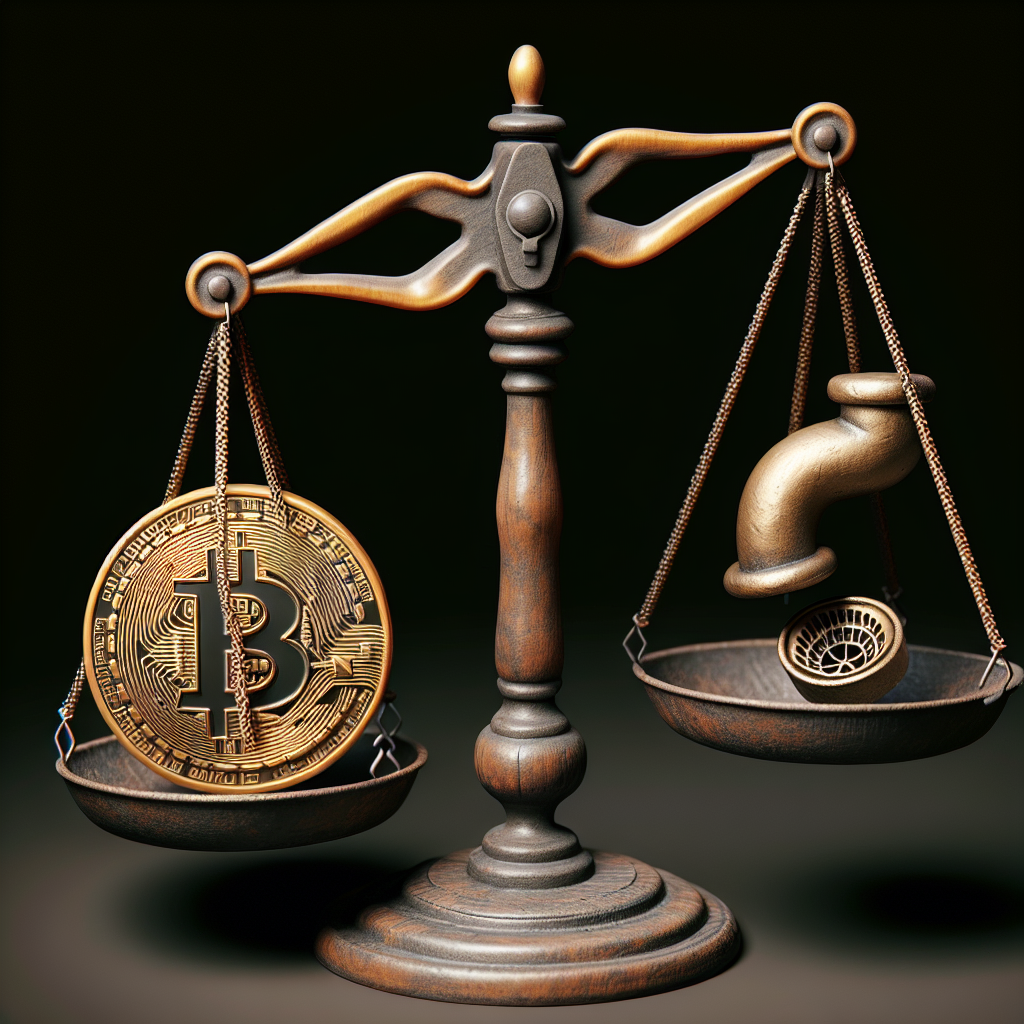
Though a 10th anniversary usually invites celebration, Bitcoin received little recognition in 2018 when it marked a decade since its inception by Satoshi Nakamoto. By decentralizing the financial ecosystem, Nakamoto attempted to shift the balance of power from a select group of financial institutions to the wider public in response to the global financial crisis.
Is Bitcoin a groundbreaking innovation changing the financial world, or has it proven futile? Here are some arguments discussing Bitcoin’s effectiveness and inherent value.
At the start of 2020, Bitcoin’s price was around $7,000. By January 2021, it was over $40,000, sparking substantial interest as an investment. Its price then reached $68,986 in November before falling to less than $16,000 a year later, illustrating the industry’s volatility that echoes Bitcoin’s story.
By late 2022, Bitcoin’s price resurgence reignited enthusiasm among investors, with its market cap falling to $305 billion in November 2022 before making a gradual climb to over $800 billion by December 2023.
The Securities and Exchange Commission, in January 2024, approved multiple Bitcoin Spot ETFs and exchange-traded products holding bitcoin—marking the end of a tussle between institutions, investors, and the SEC while opening doors to those previously unable to access Bitcoin due to high prices and risks.
Volatility and Use Cases
Bitcoin’s volatility traces back to its identity crisis, initially intended as a universal currency for seamless global transactions—a vision that still hasn’t materialized.
Technological advancements within Bitcoin’s ecosystem fortify it as a viable option for future retail transactions. Despite declines in global cryptocurrency adoption from previous years, Bitcoin is gaining traction in low and middle-income countries where traditional financial systems are scarce.
Between 2020 and 2022, Bitcoin’s price exhibited dramatic fluctuations—from nearly $69,000 to below $16,000 within a year. Despite this volatility, the technology underpinning cryptocurrencies continues to captivate global interest, evidenced by Bitcoin’s growing integration into purchasing, trading, and investment activities on both individual and institutional scales. Developments within the Bitcoin ecosystem bolster its perceived longevity, while critics dismiss it as a scam and resource drain.
Illicit Activities and Market Dynamics
Bitcoin’s association with unlawful activities has grown, though less prevalently than often perceived. In 2022, theft, sanctions evasion, and scams dominated illicit activities, while more grim uses like terrorism financing formed less than 0.24% of cryptocurrency transactions.
As minimal as these crypto crime rates appear, concerns about anonymity and malicious use persist—a reflection on Bitcoin’s opaque nature, which can shield individuals with ill intent.
Regulatory Shifts
While Bitcoin’s future could be shaped dramatically by regulations, the SEC’s 2024 approval of Bitcoin Spot ETFs (cash-redeemed) marked a significant milestone, though no support was extended to other crypto-products.
Bitcoin remains central to legislative and regulatory discourse globally, featuring prominently at fintech conferences and among policymakers.
The European Union’s efforts to standardize Bitcoin and crypto-tracking among member nations aim to deter illicit activity and enhance consumer protection. However, tangible results from this legislation will only emerge by 2027, as outlined by the European Commission.
Canada’s stricter stablecoin regulations in February 2023 led Binance to withdraw its services from the Canadian market, briefly impacting Bitcoin’s price, which rebounded quickly thereafter.
Legislative actions are ongoing in various countries, yet the extent of measures to secure public interests and curb illicit uses remains uncertain.
Adoption and Affordability
Cryptocurrency analysis identifies that, despite perceived disuse, Bitcoin’s global adoption in 2022 remained elevated, with centralized exchanges being the primary medium, followed by decentralized finance. The findings highlight that Bitcoin and other cryptocurrencies are increasingly utilized for retail—rather than investment—purposes across different countries, while institutional investing still represents the major share of Bitcoin activities.
Bitcoin’s fluctuations in price often cause uncertainty about its value as a currency. Originally designed for borderless transactions, it hasn’t fully realized this potential, sparking debates over its practical utility.
As the debate over Bitcoin’s energy consumption persists, opinions vary drastically. While some argue that Bitcoin consumes excessive energy, others claim its footprint remains smaller than that of traditional financial networks. Bitcoin is seen by some as a lifeline for those lacking access to conventional financial services, while others reject this notion.
Bitcoin has faced defenders and detractors, each presenting strong arguments. Ultimately, Bitcoin’s perceived utility hinges on individual perspectives.
For those dubious of its value or hesitant about using it as a transactional medium, Bitcoin may seem futile. However, others may find it quite beneficial for speculative investment or as an alternative to traditional finance solutions.
In the end, the verdict on Bitcoin’s usefulness is a personal determination.
The opinions and analyses presented are solely for informational purposes. As of this article’s date, the author holds BTC and LTC.


